
Introduction
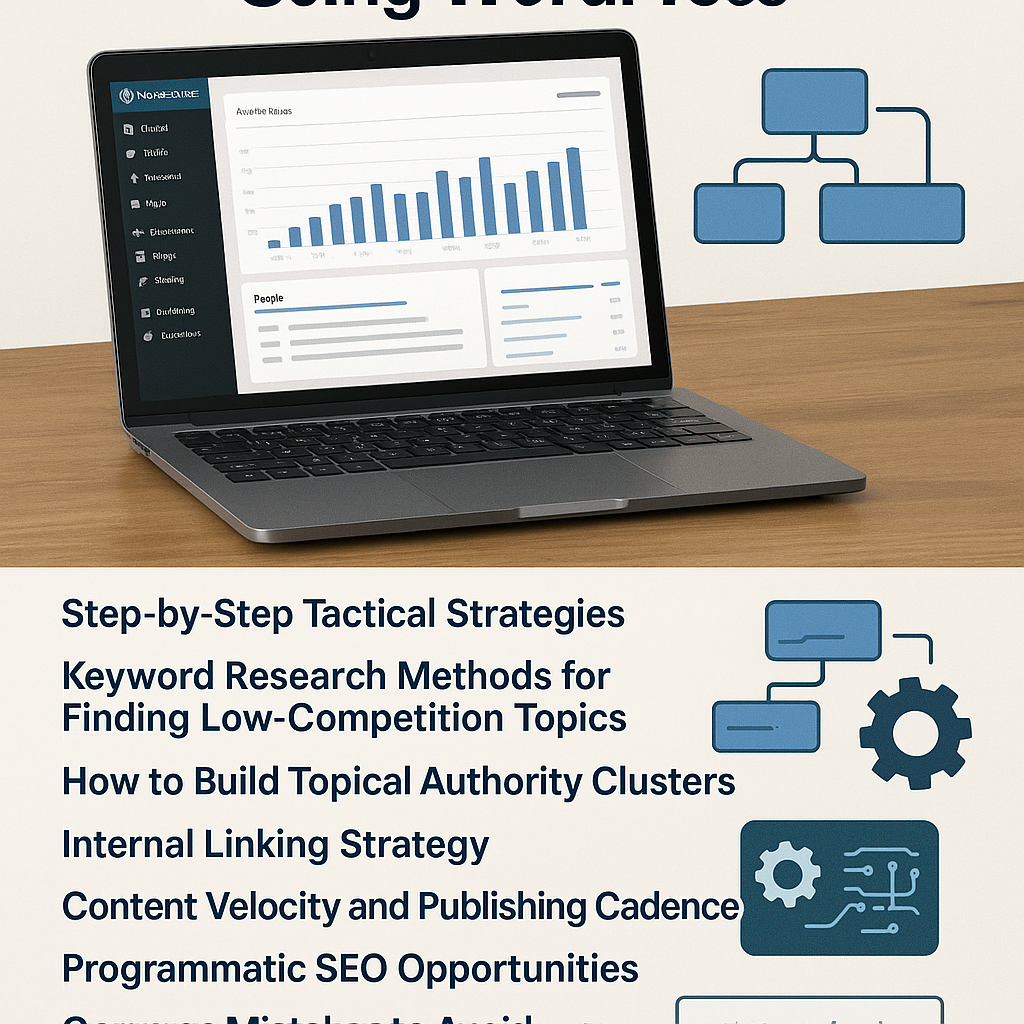
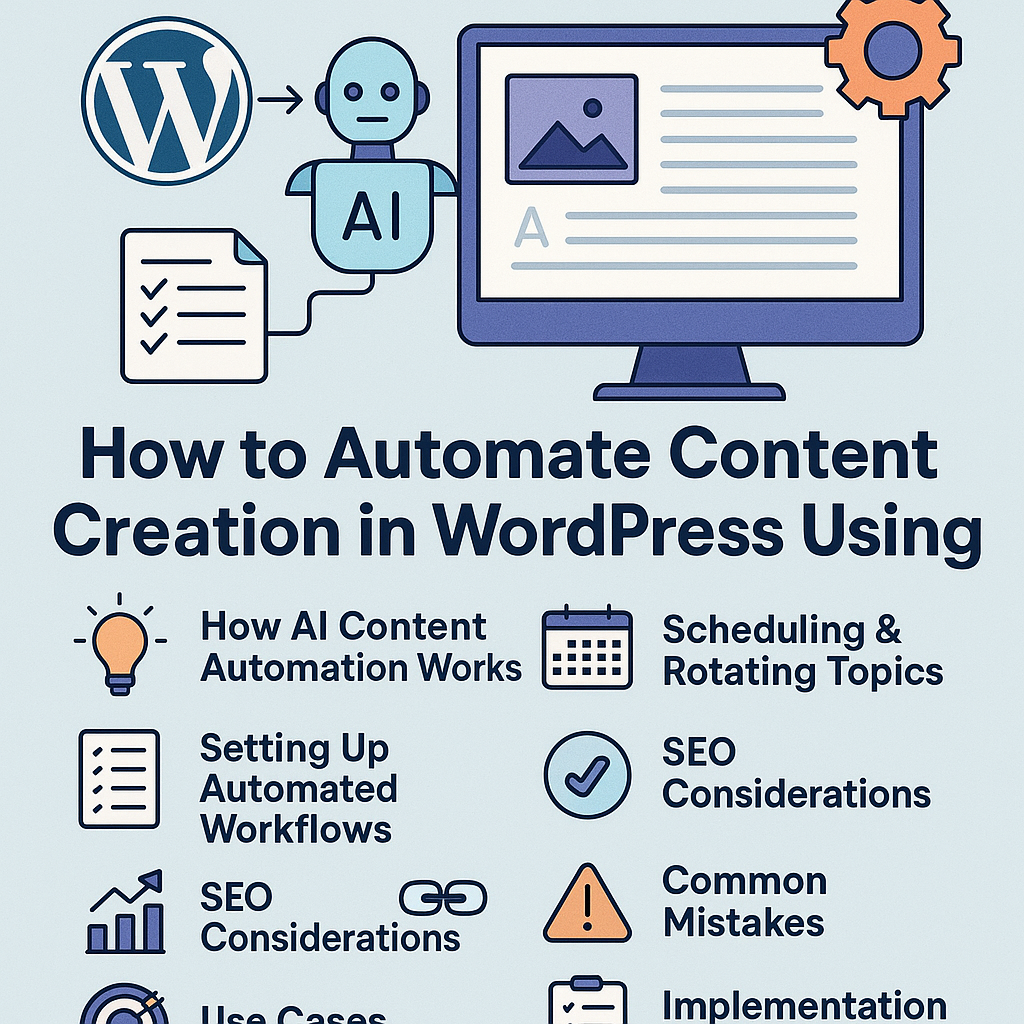
Growing organic traffic on a WordPress blog requires more than publishing content regularly. To truly scale, you need a precise, tactical approach tailored to WordPress’ ecosystem that leverages data, SEO best practices, and automation. This guide breaks down advanced strategies you can implement today to generate sustainable, compounding growth.
1. Tactical Keyword Research for Low-Competition Niches
1.1 Using Data-Driven Tools
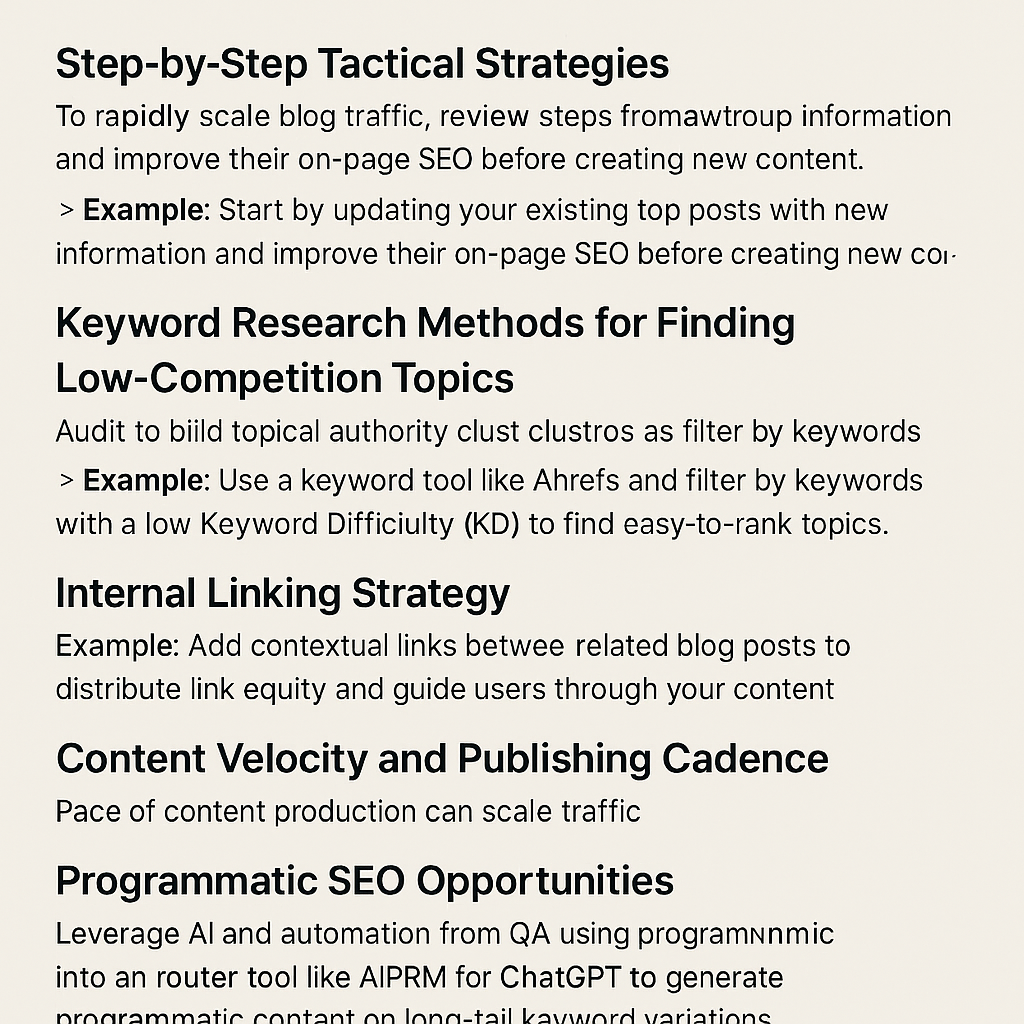
Start by mining low-competition keywords with tools like Ahrefs, SEMrush, or Ubersuggest. Focus on long-tail keywords with a Keyword Difficulty (KD) under 20 that have consistent search volumes above 100 monthly searches. Use the following steps:
- Seed Keyword Expansion: Enter your core niche keywords to generate related queries.
- Filter by Difficulty and Volume: Narrow to those with low difficulty scores but decent search volume.
- Analyze SERP Features: Check if featured snippets or People Also Ask boxes exist, indicating opportunity for rich, targeted content.
1.2 Leveraging Google Search Console
Use your existing blog data by exporting queries with impressions but low click-through rates. Optimize or create content targeting these queries for better ranking.
2. Building Topical Authority Clusters
2.1 Defining Pillar and Cluster Content
Identify broad topic pillars relevant to your niche (e.g., “WordPress SEO”) and create comprehensive pillar pages. Then, write cluster posts covering subtopics (e.g., “Image Optimization for WordPress”, “Structured Data Implementation”) that link back to the pillar.
2.2 Technical Setup in WordPress
Use categories and tags carefully to reflect your topical clusters. Plugins like Yoast SEO Premium or Rank Math support internal linking suggestions that help maintain cluster integrity.
3. Strategic Internal Linking
3.1 Link Distribution and Anchor Text
Internal links distribute page authority and help search engines understand site architecture. Implement these tactics:
- Link from high-authority pages to new or underperforming posts.
- Use descriptive and varied anchor text incorporating your target keywords.
- Regularly audit broken links and update outdated URLs.
3.2 Automated Internal Linking Workflows
Consider tools like Link Whisper to automate internal link suggestions based on your content clusters, saving time while maintaining SEO consistency.
4. Content Velocity and Publishing Cadence
4.1 Data-Backed Publishing Frequency
Analyze competitors’ content frequency using tools like BuzzSumo or Ahrefs to benchmark your publishing cadence. Aim for consistency—whether it’s bi-weekly or weekly—to keep Google’s crawlers engaged.
4.2 Batch Content Creation and Scheduling
Use editorial calendars (e.g., Trello, Airtable) combined with WordPress’ built-in scheduling to publish at optimal times. Batch writing accelerates production and reduces burnout.
5. Unlocking Programmatic SEO Opportunities
5.1 Identifying Scalable Content Templates
Programmatic SEO involves generating many pages based on structured data. For example, if you run a SaaS blog, create templated posts targeting combinations of features + industries + use cases (e.g., “Best CRM Features for Real Estate Agents”).
5.2 Implementation Tips
- Use Custom Post Types and taxonomies in WordPress to organize generated pages logically.
- Automate metadata generation and canonical tags to avoid duplication issues.
- Leverage plugins like Advanced Custom Fields (ACF) to manage dynamic content inputs.
6. Common Pitfalls to Avoid
- Overloading with Keywords: Avoid keyword stuffing; prioritize natural language and user intent.
- Neglecting Mobile Optimization: Mobile-first indexing makes responsive design and fast load times critical.
- Ignoring Analytics Data: Regularly review Google Analytics and Search Console to refine strategies.
- Too Aggressive Programmatic SEO: Without quality control, programmatic pages can dilute your domain authority.
7. Tools and Automation Workflows
7.1 Content Research and Planning
Combine Google Trends, AnswerThePublic, and keyword tools to identify trending topics and gaps.
7.2 Automation in WordPress
Use plugins such as:
Link Whisperfor internal linking automationWP Scheduled Postsfor editorial calendar managementRank Mathfor SEO automation including schema markup
7.3 AI for Scaling Content Production
Implement AI-assisted writing tools to draft outlines and content snippets. Always perform human editing to maintain quality and brand voice.
Implementation Checklist for Scaling Your WordPress Blog Traffic
- Conduct keyword research targeting low-competition, high-value long-tail keywords.
- Create pillar pages and build cluster content linked strategically to form topical authority.
- Implement an internal linking strategy using descriptive anchor text and automated tools.
- Set and maintain a consistent publishing cadence informed by competitor analysis.
- Explore programmatic SEO to scale content using WordPress custom post types and structured templates.
- Regularly audit your site for mobile optimization and keyword overuse.
- Automate workflows where possible with proven WordPress plugins and AI tools.
- Continuously monitor performance with Google Analytics and Search Console, adjusting tactics accordingly.
By combining tactical SEO strategies with WordPress-specific automation and content workflows, you can scale blog traffic efficiently without sacrificing quality. Focus on data-driven decisions and iterative improvements to build lasting organic growth.